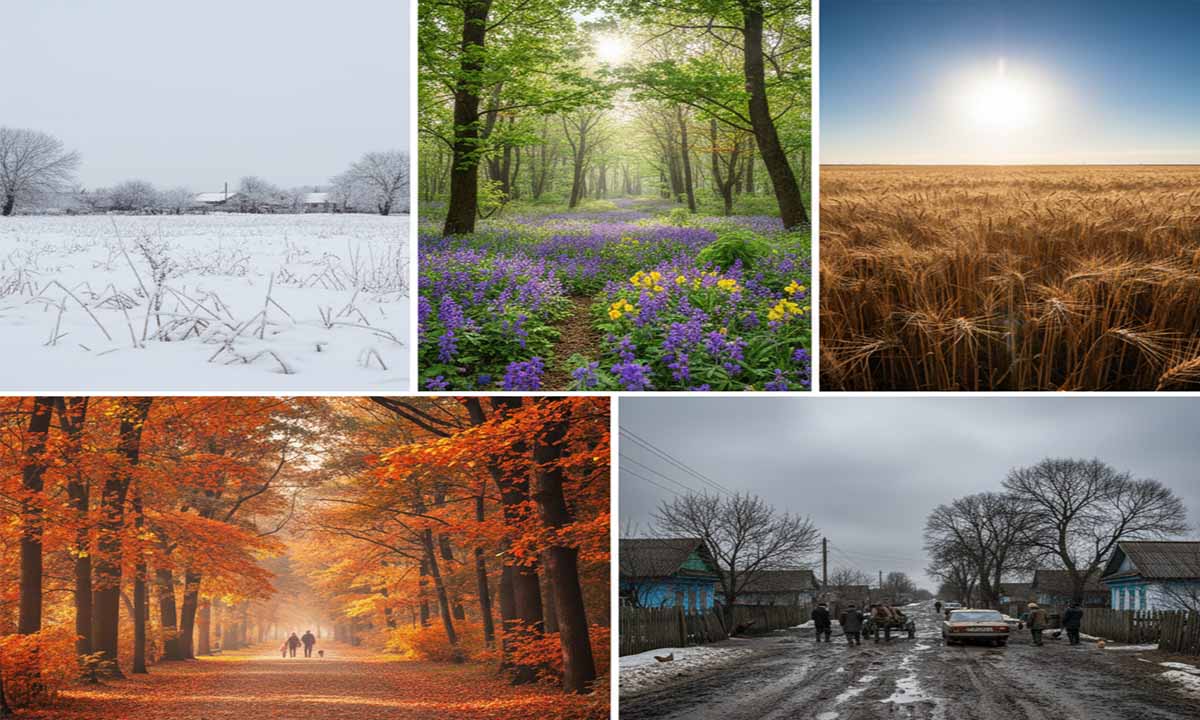
Ukraine is a country where weather shapes the calendar. Seasons do not whisper here. They arrive with intent. Snow settles deeply. Heat lingers boldly. Rain changes the color of streets and fields. Understanding the rhythm of Ukraine weather makes everyday life easier, whether you live here, plan to visit, or simply want clarity.
Many people begin with a national snapshot from Ukraine weather forecasts. That gives a starting point, but the real story unfolds city by city. Kyiv weather shows classic continental patterns, cold winters and warm summers. In the east, Kharkiv forecasts highlight sharper extremes. Along the Black Sea, Odesa conditions feel softer due to sea air.
Central Ukraine shifts fast. Dnipro weather often changes within hours. Further east, Donetsk forecasts show colder winters and hotter summers. In the southeast, Alexandrovsk weather reflects steppe influence.
Southern industrial areas like Kryvyi Rih experience wide swings without coastal moderation. Crimea brings a different feel, seen clearly in Sevastopol weather. Near the eastern border, Luhansk forecasts often feel dry and exposed. Western cities such as Vinnytsia see more rain and gentler transitions.
Many residents also rely on local Ukrainian language weather reports for familiar phrasing and regional nuance.
Ukraine Weather Summary
Cold winters, warm summers, muddy transitions, and long daylight swings. Each month carries a clear mood. Planning becomes easier once you know the pattern.
Ukraine Climate Zones Explained Simply
Ukraine spans forests, plains, steppe, and coastline. This creates several climate zones. Northern areas stay cooler and wetter. Central regions balance extremes. Southern coastal zones stay milder. Eastern areas feel stronger temperature swings.
Three forces shape the weather.
- Continental air from the east
- Atlantic moisture from the west
- Black Sea moderation in the south
These influences shift constantly. The result feels dramatic but follows a reliable cycle.
Month by Month Weather Table
Mud Season and Why It Matters
Mud season defines the hardest weeks of the year. It happens twice. Spring brings melting snow and trapped water. Autumn brings steady rain and decaying leaves.
- Late February to early April
- Late October through November
Spring mud season brings slush by day and ice by night. Rural roads suffer most. Autumn mud season feels heavier and darker. Water drains slowly. Fog appears often.
How People Adapt Through the Year
Clothing changes constantly. One coat never works all year. Layers beat bulk. Waterproof shoes are not optional. Wind protection matters more than thickness.
- Winter favors insulation
- Spring favors flexibility
- Summer favors shade
- Autumn favors layers
The Rhythm That Ties It All Together
Ukraine weather moves in cycles. Each month prepares you for the next. Cold makes warmth feel earned. Heat makes calm feel precious. Rain teaches patience.
Once you understand the pattern, forecasts feel less stressful. You stop fighting the seasons and start moving with them.